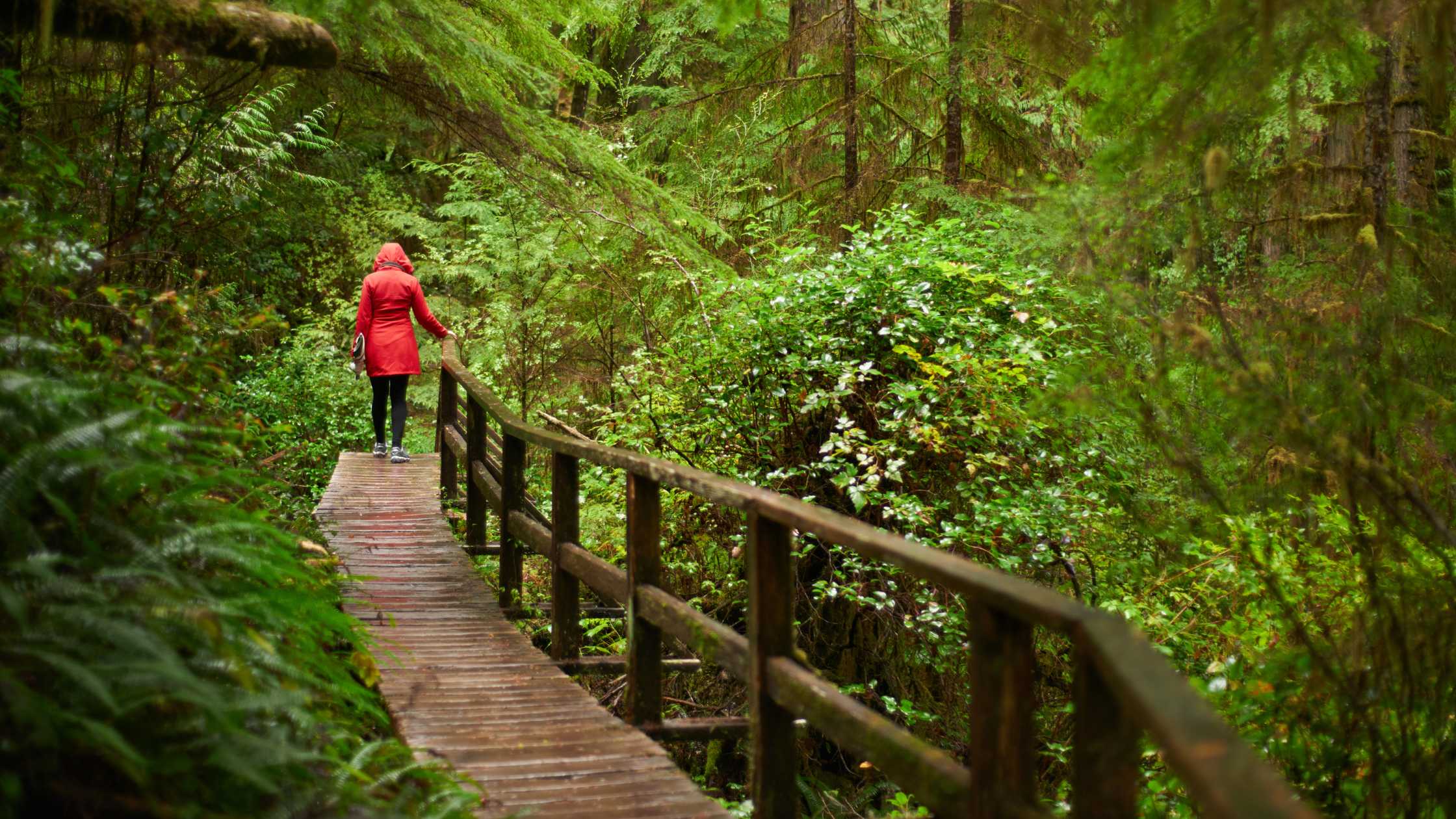
There is something noticeably different about being outdoors.
Not just “nice” or “pretty.”
But often steadier. Less pressured. More spacious.
Before training as a counsellor, I worked in nature conservation and spent much of my time outside. That experience shaped how I understand the relationship between people and landscape. I saw how differently people reflected, processed and even grieved when they were outdoors. People often speak differently outside. They pause differently. They think differently.
Walk and talk counselling in Exmouth brings that understanding into therapeutic work.
This approach is not about romanticising nature, nor about prescribing how you should feel when you are outside. Each person’s relationship with the natural environment is individual. For some it is simply quieter. For others it brings perspective. For some it feels neutral — and that is equally valid.
What matters is whether the setting supports you.
What is walk and talk counselling?
Walk and talk counselling is counselling that takes place outdoors while walking side-by-side rather than sitting face-to-face in a room.
Sessions typically take place along the Exmouth seafront or in Phear Park. We walk at a pace that feels comfortable to you. Sessions last 55 minutes, just as indoor sessions do.
The boundaries, confidentiality and professional standards remain the same. At its heart, this is still about the relationship between us. The difference is the setting.
And the setting can matter.

Does nature actually influence the counselling process?
Research in environmental psychology suggests that natural environments can influence how we think and regulate stress.
Theories such as Attention Restoration Theory propose that natural settings help restore mental energy. Stress Reduction Theory suggests that exposure to green and blue spaces can reduce measurable stress responses in the body, including heart rate and blood pressure.
Studies have shown that even viewing greenery can lower stress levels. Walking in parks, woodland or coastal environments is associated with reduced anxiety and improved mood compared to more built-up urban settings.
In practice, this can mean:
Feeling less “on edge”
Thinking more clearly
Finding it easier to speak
Feeling less confined or scrutinised
Nature does not “fix” anything. But it may create conditions that make therapeutic work feel more accessible.
Why not just walk anywhere?
Not all outdoor spaces have the same effect.
Research indicates that green and blue spaces — parks, woodland, sea views — tend to offer greater restorative benefit than dense housing estates or traffic-heavy streets.
This is part of why walk and talk counselling in Exmouth works well in this local landscape. The seafront and parkland provide openness, natural sound and visual space that can support reflection.
The environment is not the therapy. But it can support it.
How does walking side-by-side change the dynamic?
Sitting face-to-face can feel intense. For some people it can feel exposing or confrontational.
Walking alongside one another often softens that intensity. There is less sustained eye contact. The body is moving. Silence can feel more natural. The conversation can ebb and flow.
For many clients, this creates:
A sense of ease
A feeling of shared direction
Space to think before speaking
A more embodied experience of therapy
The relationship remains central. The movement simply becomes part of the process.

Is walk and talk counselling suitable for anxiety or trauma?
As a trauma-informed counsellor in Exmouth, I pay close attention to nervous system regulation.
Movement and natural environments can support regulation. When the body feels calmer, it can be easier to approach difficult experiences. For some clients, being outdoors reduces the sense of confinement that a therapy room can bring.
Walk and talk counselling is not a replacement for other counselling approaches, and it is not suitable for everyone. Some people prefer the containment of an indoor space.
But for others — particularly those experiencing anxiety, life transitions, grief or simply feeling stuck — outdoor counselling can offer a steadier starting point.
Does this mean therapy outdoors is spiritual?
For some people, being in nature carries a sense of connection or meaning. For others, it is simply fresh air and space.
For me, there is no expectation to experience it in any particular way.
Your connection to the outdoors — whether practical, emotional, reflective or spiritual — is your own. My role is not to define that for you, but to work alongside you in whatever feels authentic.
What does a session look like in practice?
We agree on a location in advance, usually the Exmouth seafront or Phear Park.
We walk at your pace. We can pause, sit or adjust as needed. We work with the weather appropriately and safely, allowing it to become part of the setting rather than something to control.
Confidentiality and safety are carefully considered. If walk and talk counselling is not suitable on a particular day, or if you decide it is not right for you, we can discuss alternative ways of working, including online or indoor sessions.
Choice and flexibility are central to the process.
A developing offer
At present, walk and talk counselling takes place in accessible coastal and green spaces in Exmouth.
Over time, I hope to extend this work into more varied natural settings. But therapeutic work is built on trust, pacing and consent — and that applies to landscape as well as conversation.
For now, we begin where it feels steady.

Is walk and talk counselling in Exmouth right for you?
You might consider this approach if:
You feel constrained in traditional therapy rooms
You think more clearly while walking
You value being outdoors
You are exploring anxiety, grief, life changes or simply feeling stuck
You want counselling that feels collaborative and grounded
If you are looking for walk and talk counselling in Exmouth or the surrounding East Devon area, you are welcome to contact me to arrange an initial conversation. We can talk through what you are looking for and whether this approach feels right for you.